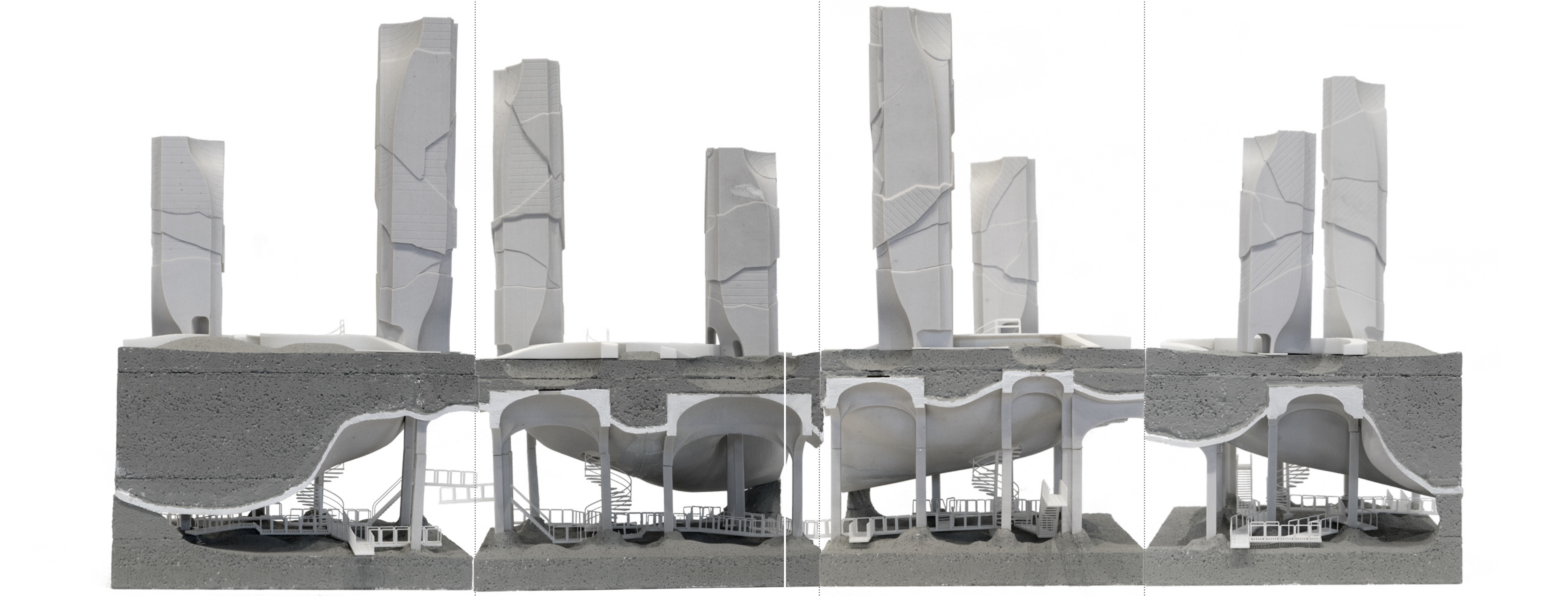
 Physical model by Yingjun Mou - CNC milling(foam) + 3D print(powder)
Craterscape - Territories of Conflicts
Academic Work - SPG 2018 - Rensselaer Polytechnic Institute
Site Location: Pointe du Hoc, Normandy, France
Individual project (Undergrad Thesis)
Critic: Chris Perry (pneumastudio)
Pointe du Hoc, located in Normandy, France, presents a unique condition of a human-altered landscape through the presence of bomb craters produced during World War II. At one point a stronghold of Nazi Germany, the site was heavily bombed by the Allied forces before their historic invasion to reclaim that part of France from the Nazi’s on D-Day. In subsequent years, the site has been further transformed through the gradual process of natural recovery, whereby various forms of plant and wildlife have reoccupied this altered landscape of bomb craters.. Hence, Pointe du Hoc might be seen as the result of interchanging human and non-human factors over time that has given rise to a postnatural condition no longer reducible to either natural or manmade factors.
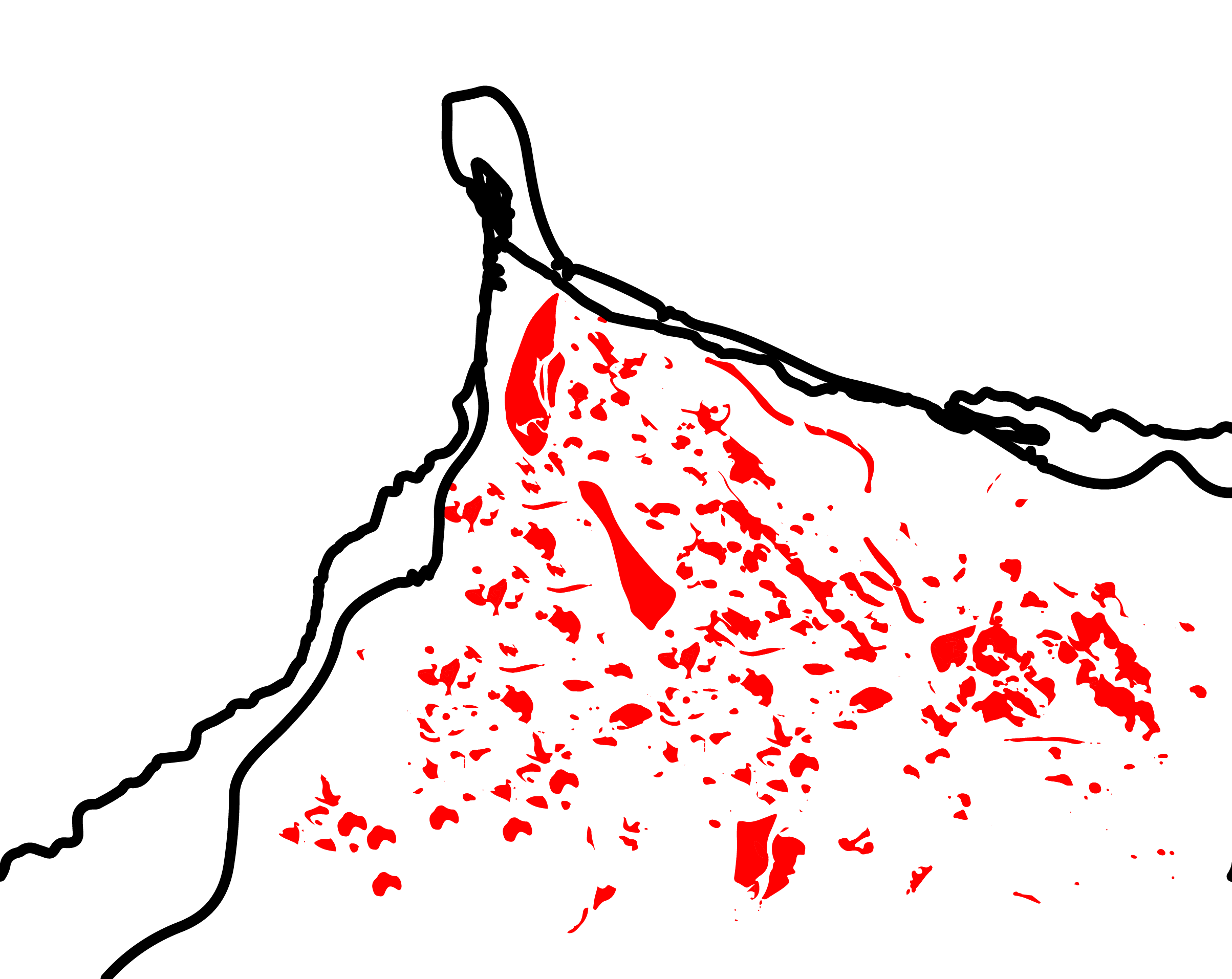 1 - original site
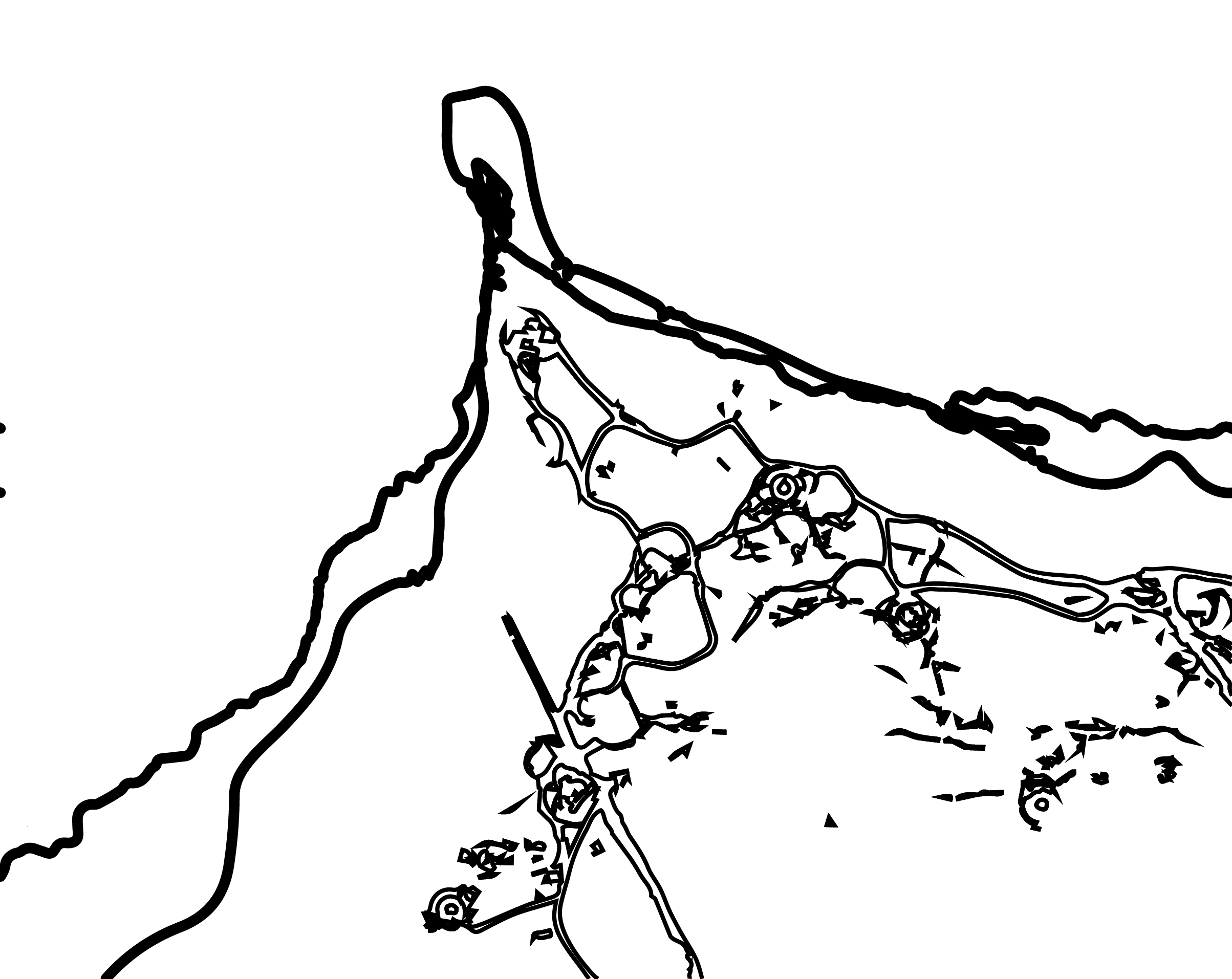 2 - construction & fortification before World War II
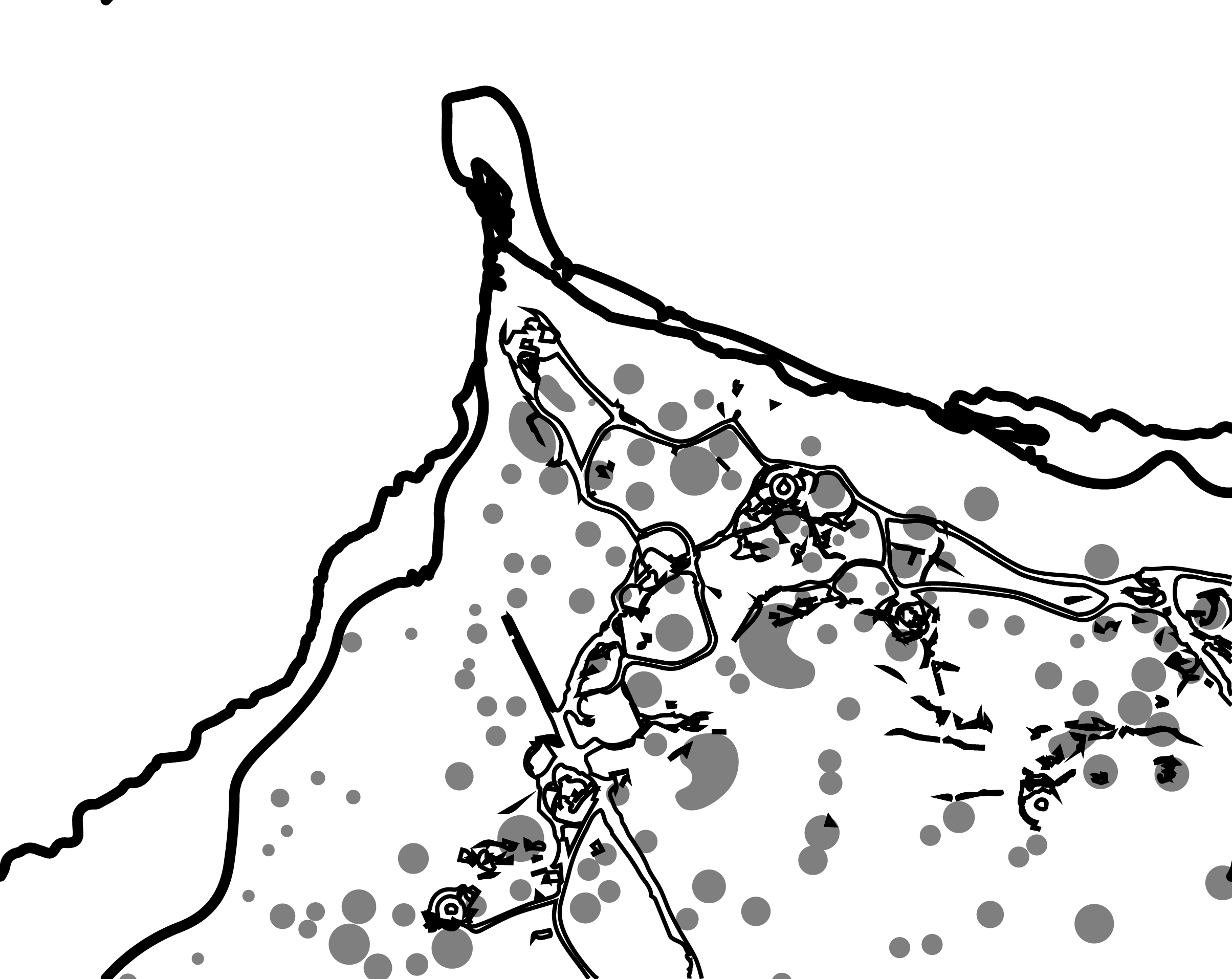 3 - deconstruction due to bombing during World War II
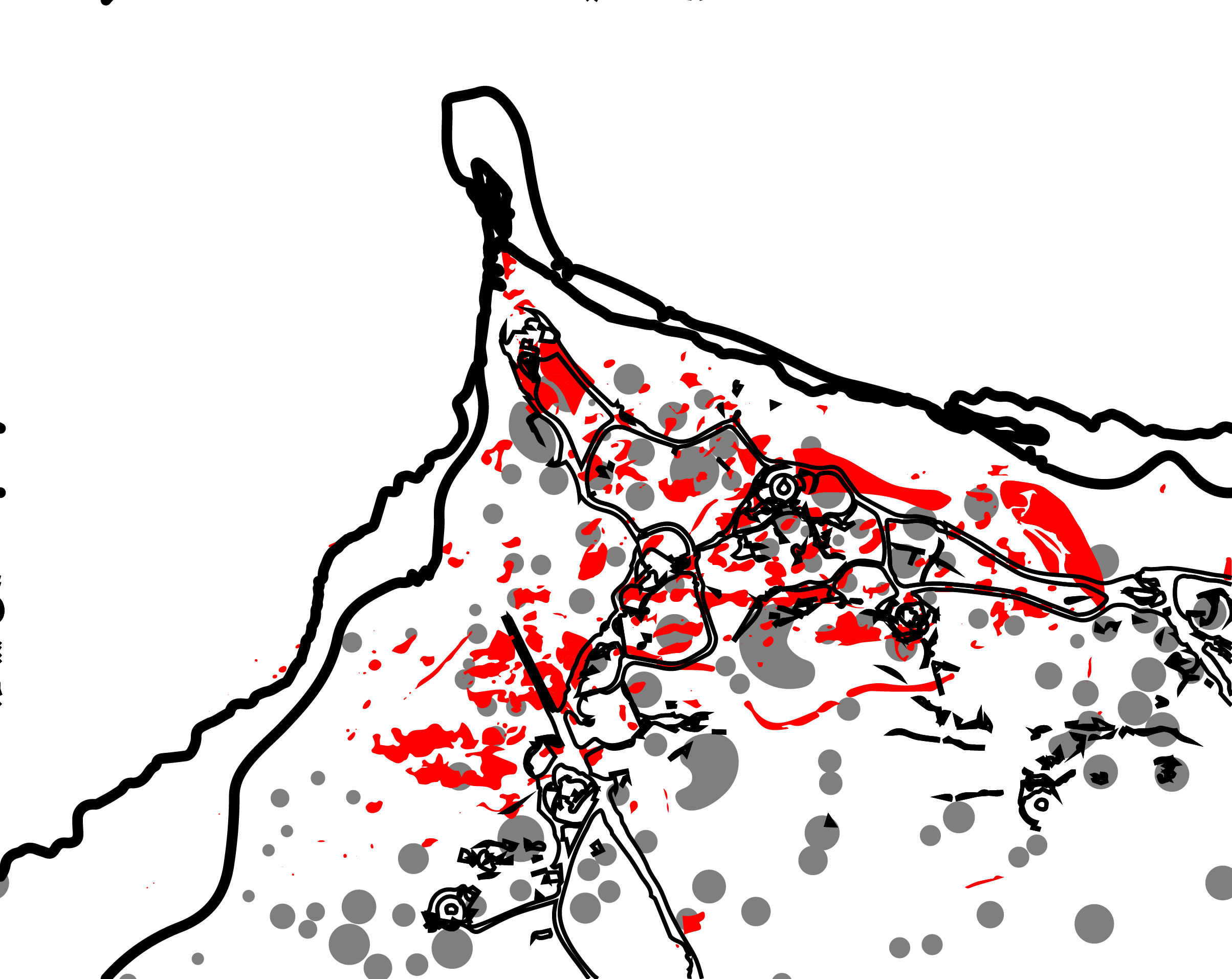 4 - natural recovery
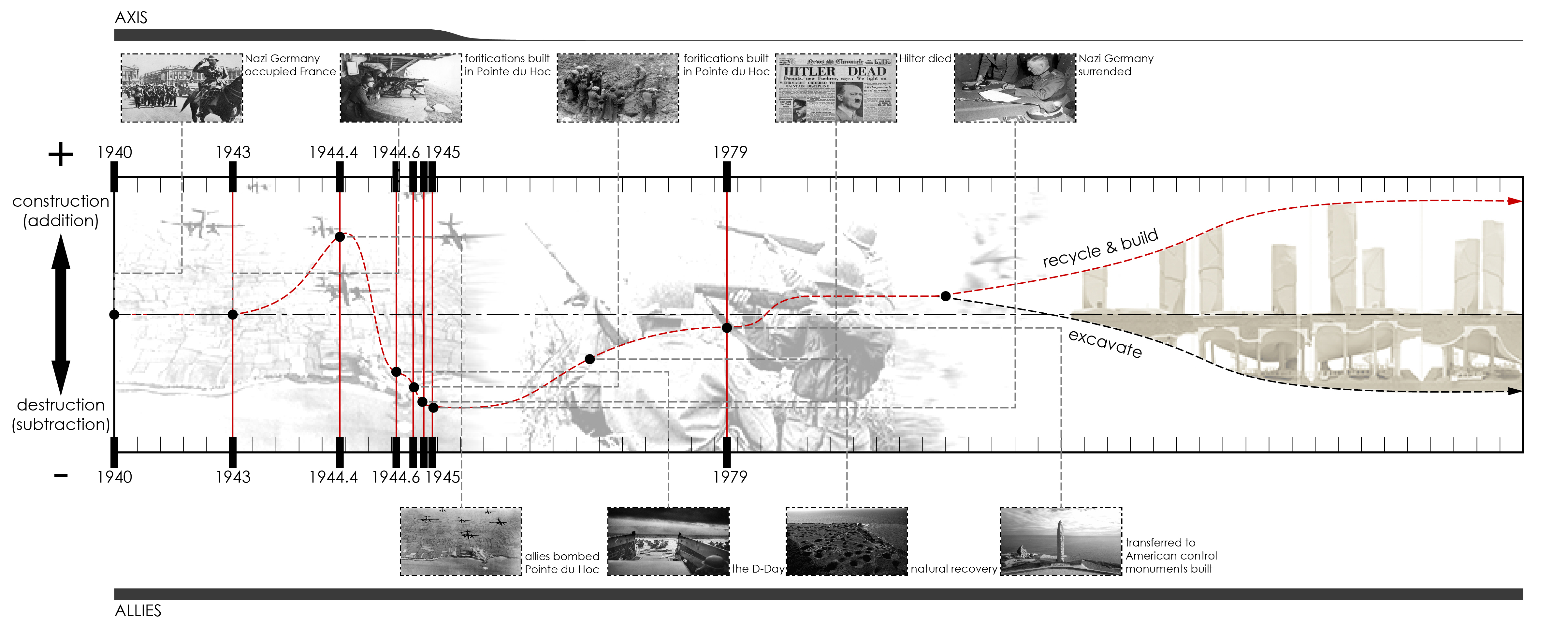 geological timeline of Pointe du Hoc
Given the fact that humans are increasingly capable of transforming the natural environment through the development of advanced technologies, we might argue that any approach to design should necessarily be considered within a broader context of geological time, which is to say, the future of the planet itself, in which any distinction between the natural and the manmade is by definition delusional. Considering Pointe du Hoc is a place which went through interchanging massice constrcution and deconstruction, my intervention here will be an ambiguous condition between the dichotomy.
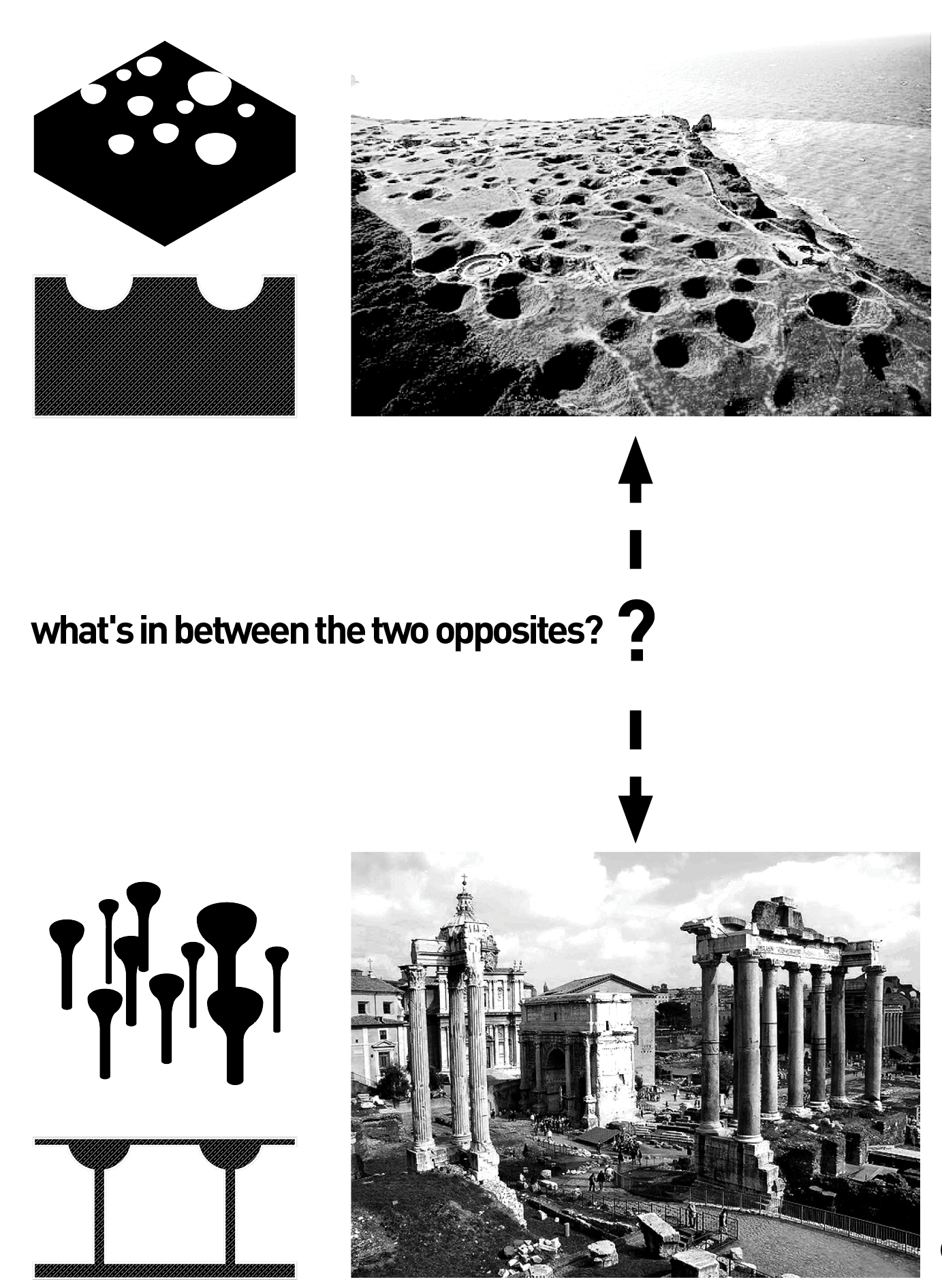 crater as void, column as mass, so what's in between the dichotomy?
 proposed formal algorithm to generate the reconciliation between crater and column
Based on this iterative history of interchangeable processes of destruction and reconstruction, the series of design experiments illustrated here attempts to explore the possibility of whether or not conventional boundaries of distinction, such as mass vs. void, tectonic vs. topographic, and subtraction vs. addition, might be considered inherently ambiguous as well. In order to reconcile the column and the crater, an new pillar system was developed.
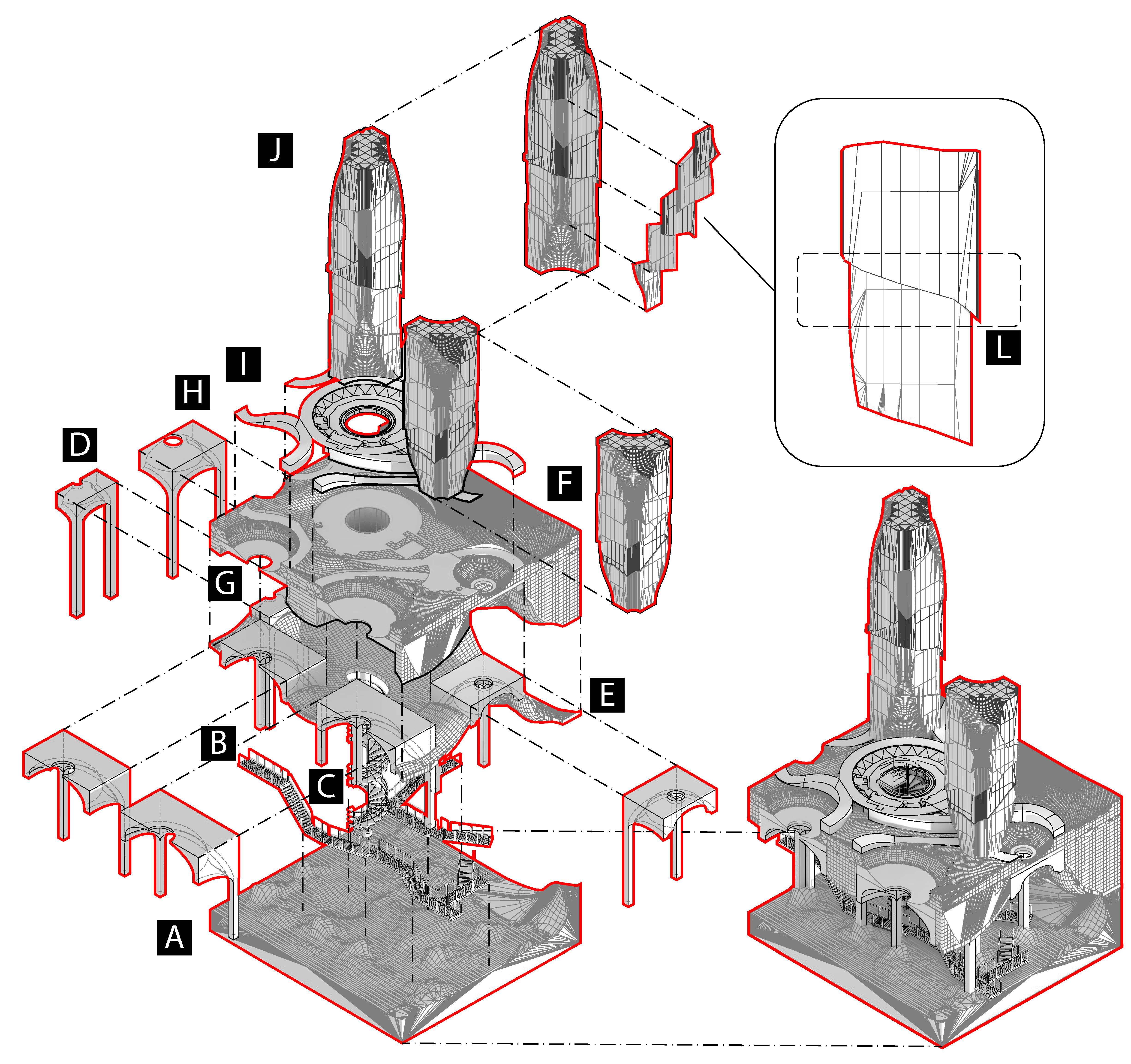 Tectonics of craterscape
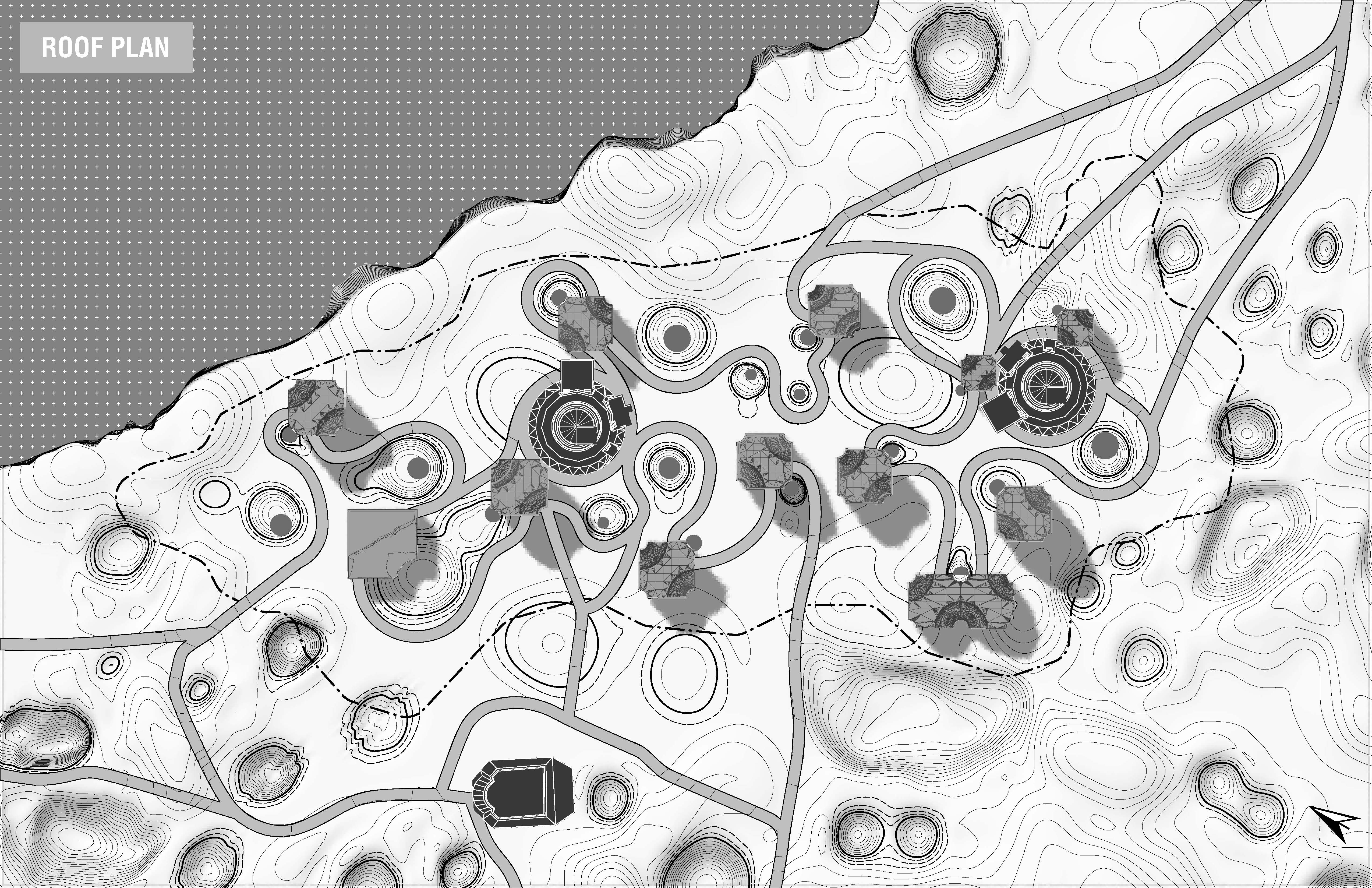 Roof Plan
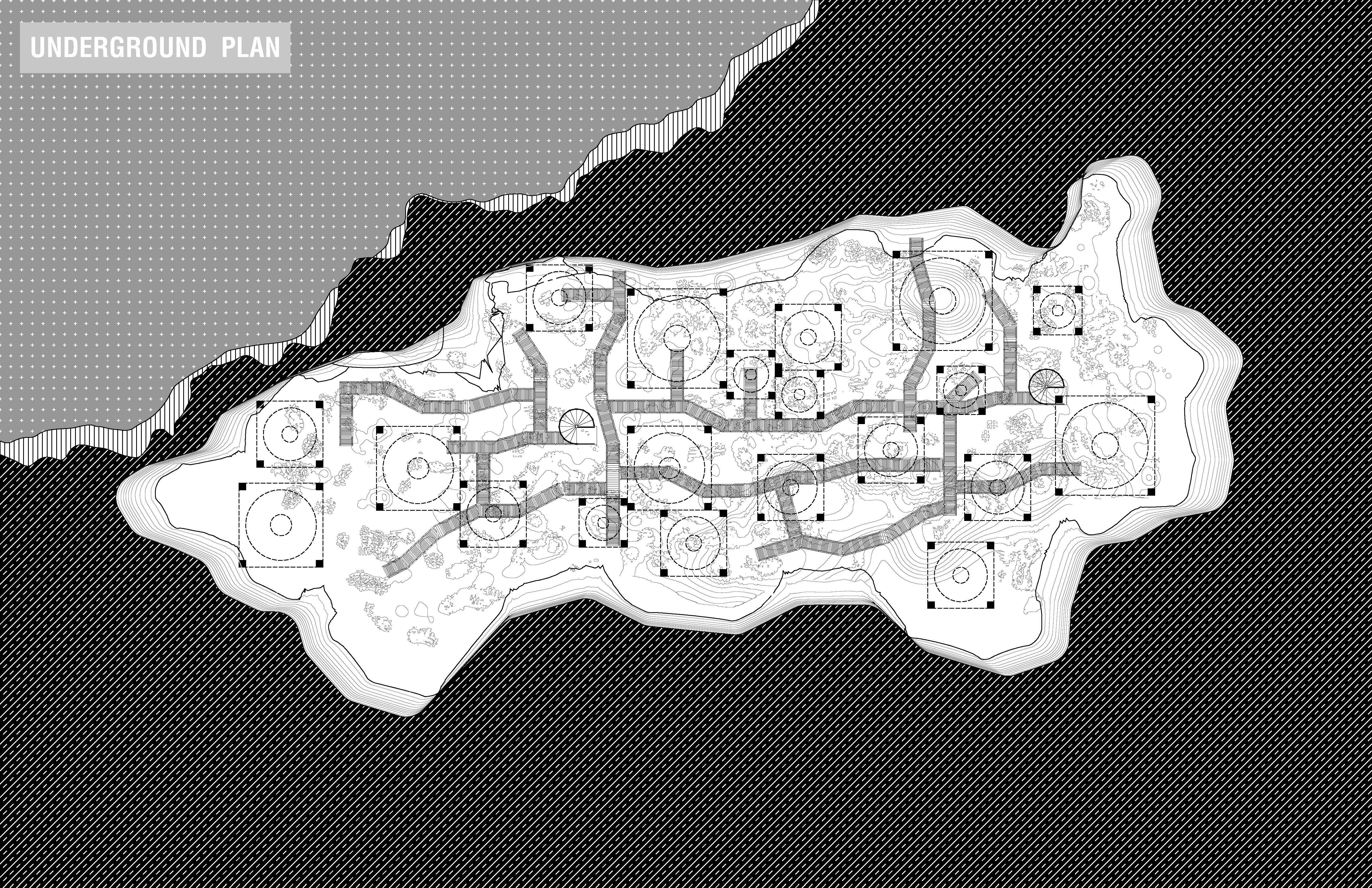
 Underground Plan
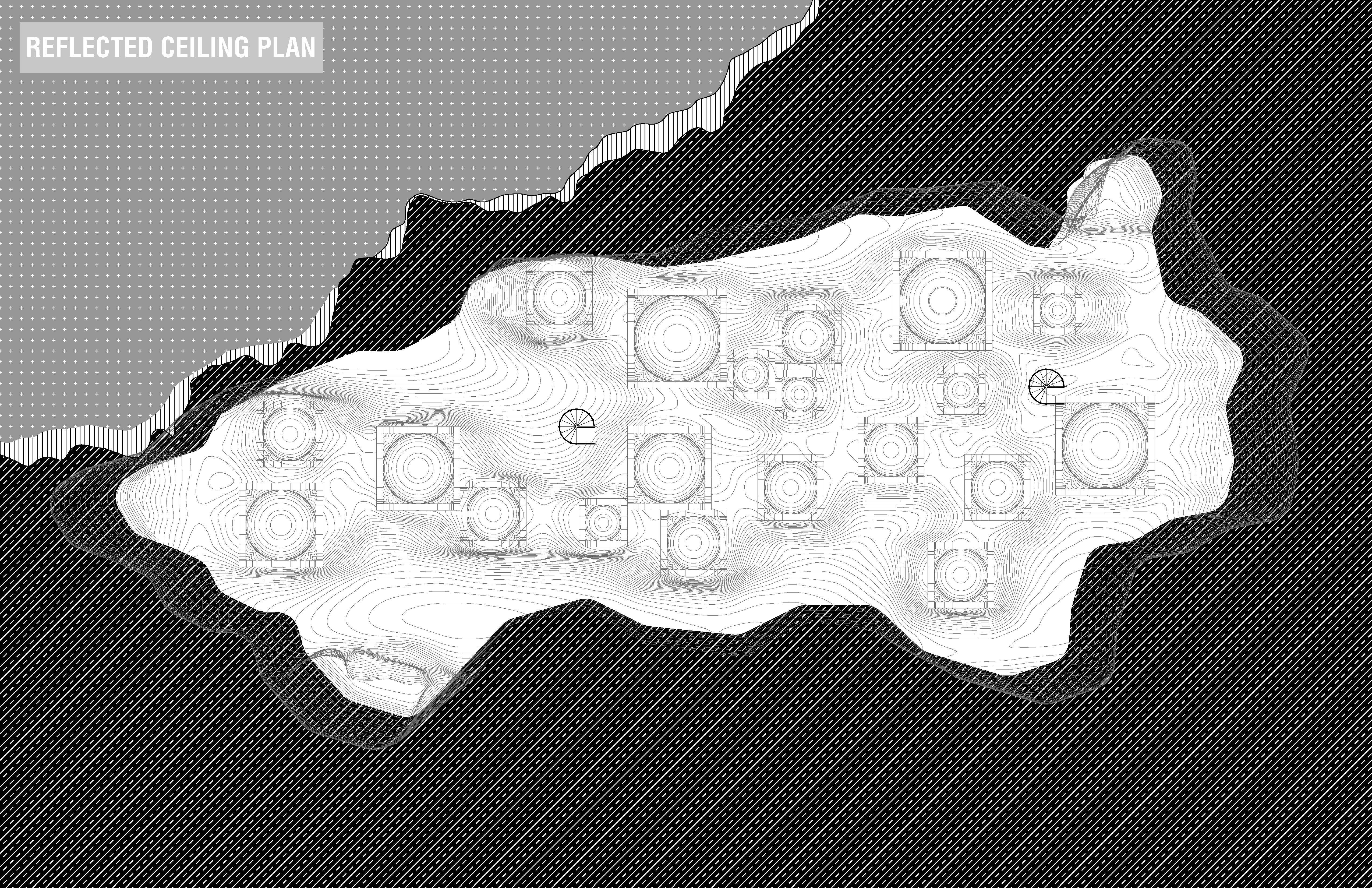
 Reflected Ceiling Plan
 Longitudinal Section A-A
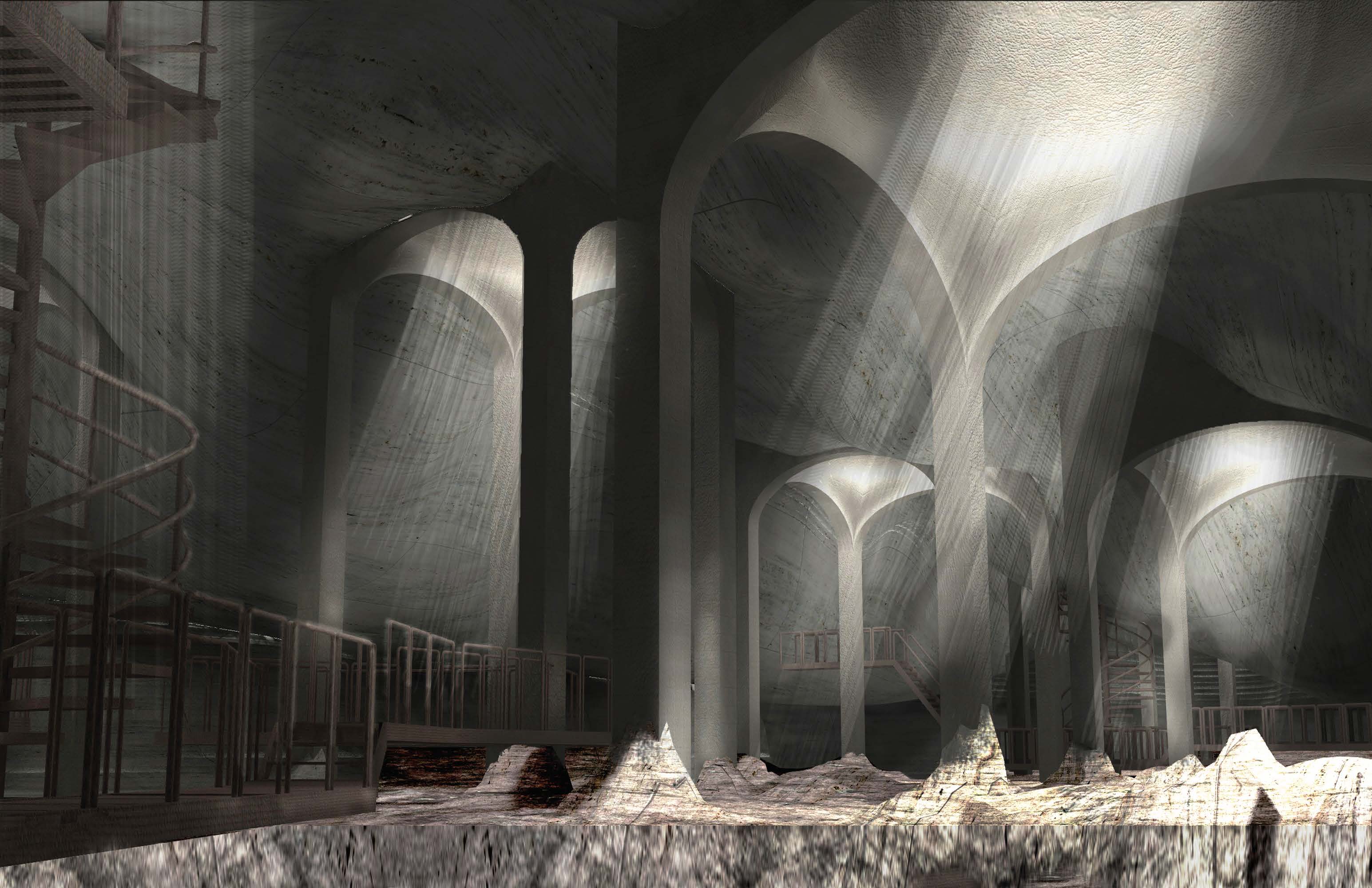 Interior Rendering produced by Yingjun Mou - Underground
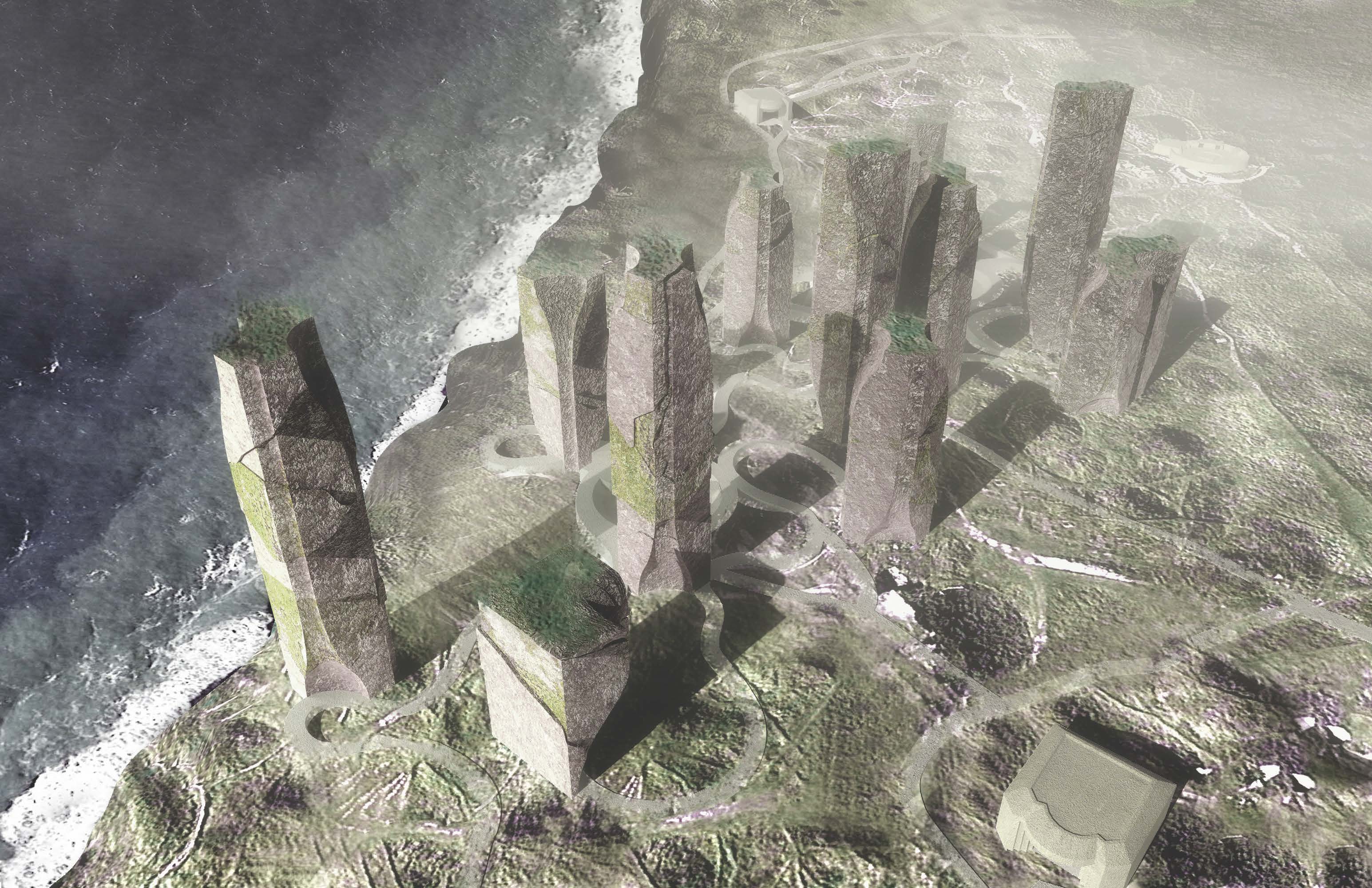 Exterior Rendering produced by Yingjun Mou - Aerial
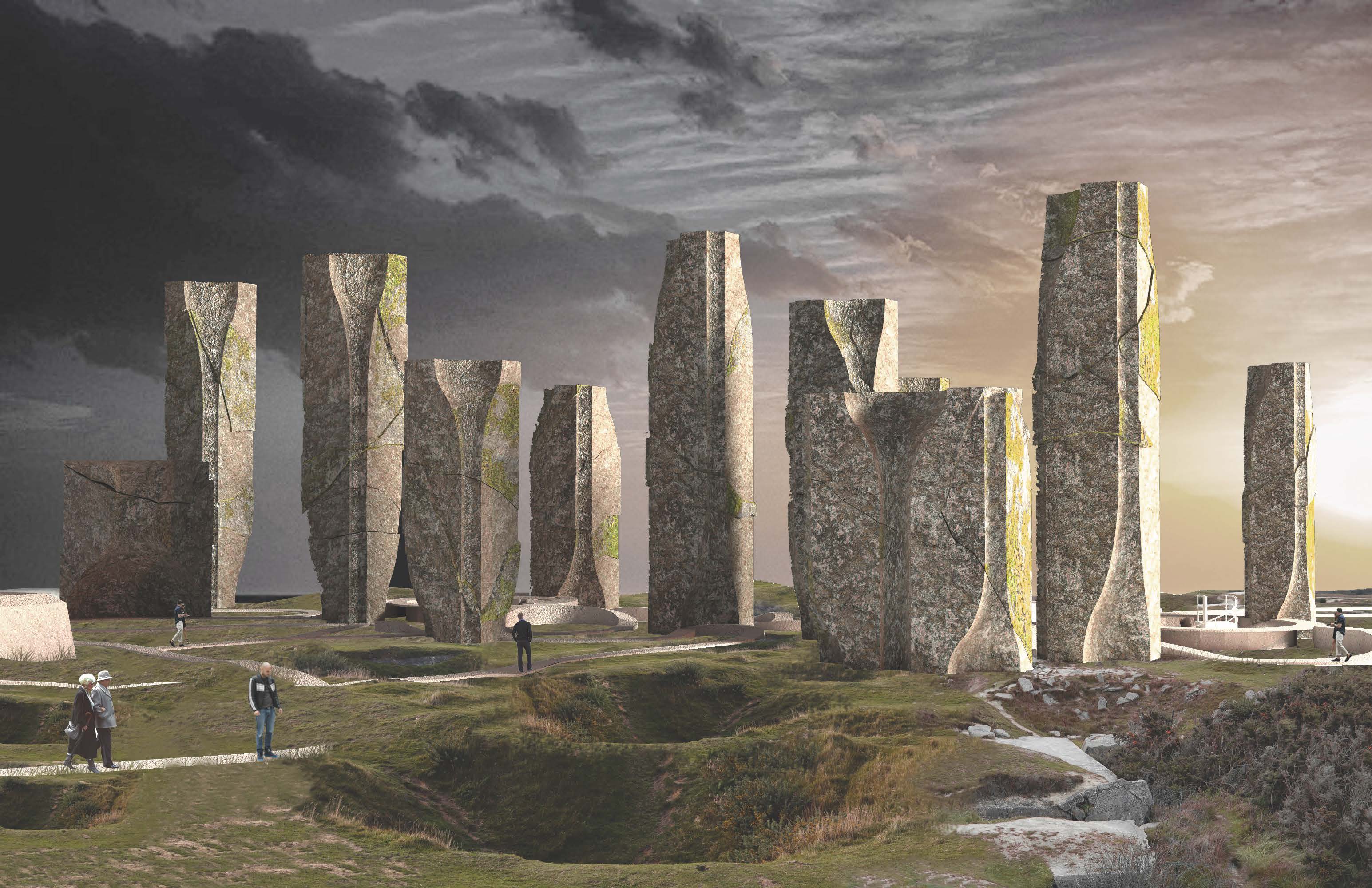 Exterior Rendering produced by Yingjun Mou - Ground Level